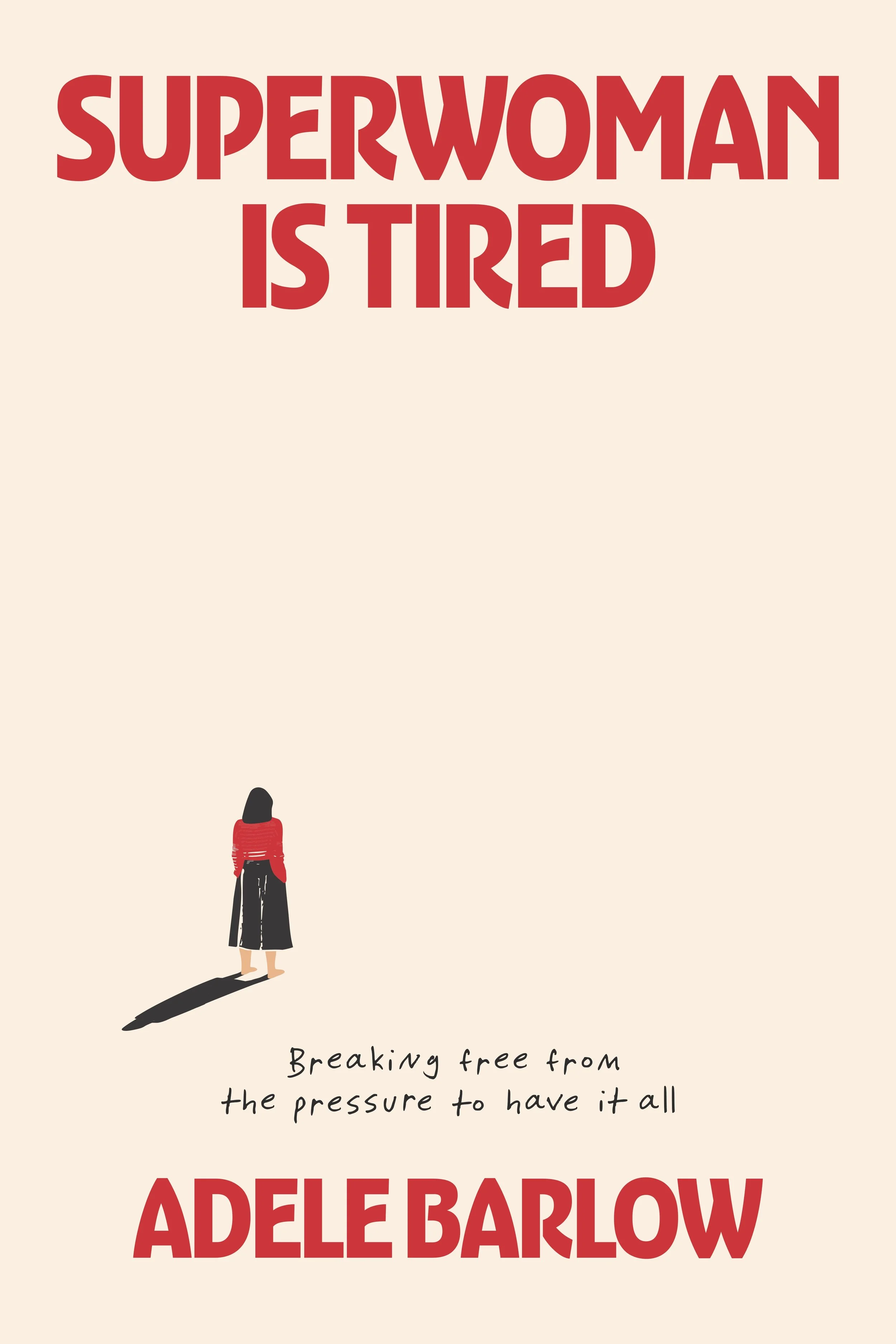
The opposite of being a superhero is being human.
As millennial women, we’ve been told we can have it all.
As a result, we’re dealing with a jigsaw where self-worth is linked to output: perform at work, optimise at home, stay attractive, stay compliant, keep going.
In this model, exhaustion is normalised, having needs means being inconvenient, and wanting rest seems like a failure.
But what if it doesn’t have to be this way? What if the problem isn’t us, but that we’ve been expected to live like machines?
Millennial women have long been held up to incredibly high standards, which many are now starting to push back on as impossible. Work hard to get ahead in your career! But also, be a brilliant mother at home, like your Boomer mother was. Look young, stay attractive, and never complain.
Underneath all of this is a version of womanhood built on relentlessness and self-suppression, where exhaustion means that you are weak. But what if we’re burnt out because we’ve been asked to live like machines?
Drawing on research from leading global thinkers as well as the experiences of relatable, everyday women, Superwoman Is Tired examines how we came to absorb sky-high expectations, and the persistent pressure to optimise every corner of your life.
At its core, this book is about redesigning your own definition of ambition, taking into account your own unique personal circumstances and values. It’s about refusing a version of ambition that depletes you, and choosing something more sustainable instead. If you’re feeling exhausted in your soul, this book is about finding your way back to yourself.
**********************
Although I’ve been pitching the book to traditional publishers, the response has largely been that I don’t yet have the social media following they’re looking for. Still, I believe these stories need to be told, which is why I’m now considering independent publishing. If the above speaks to you, I’d be so grateful if you left your email address (and tick the box) below so I can keep you updated on the release. Early support, especially through pre-orders, can make a massive difference to a book’s visibility on Amazon.

About the author
Adele Barlow is a writer and marketer with almost two decades of experience working across tech, startups, and mission-driven organisations. After becoming a mother, she began to notice a pattern among the women around her: deep existential exhaustion. Superwoman Is Tired grew out of her desire to understand why.

What comes after ambition?
“Women are in the midst of a revolutionary reckoning with our ambitions. We’re not resigning en masse—because who can afford to quit her job in this economy?!—but we are trying to figure out a new set of goals and guidance for our professional lives. Thanks to long-simmering inequality and stubborn sexism, clarified by the pain of the pandemic, our definitions of success increasingly lie outside the realm of work. We are waking up to the fact that our jobs are never going to love us back.”

The Soft-Girl Revolution
“Women who strove to be girlbosses went to bed late and got up early to sweat it out at Barry’s or Soul Cycle. They idolized female business leaders like Sheryl Sandberg and Marissa Mayer (who famously worked from her hospital bed after she delivered twins)…. The next generation of women have watched all of this unfold, observed our burnout and our late nights, our stress fractures and our egg freezing, and said, No thanks. What about if we just didn't try so hard?”

Why millennials are quitting
“For millennials and the younger generation Z and Alphas, who may never be able to afford to buy a home or retire at a reasonable age, there is a growing feeling online that hard work is fortifying a system that, at best, is giving them nothing back and, at worst, is actively screwing them over… The goal of a softer life is more time and energy for what makes you happy and as little time as possible focusing on what doesn’t.”